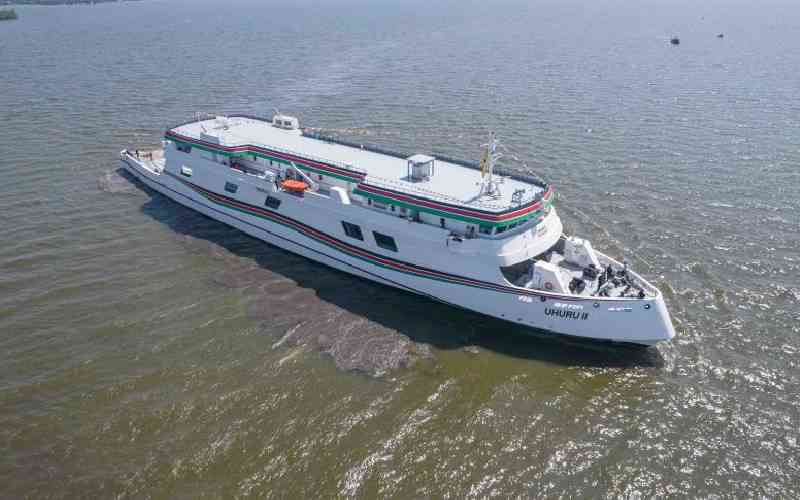
A ferry eases away from the Kisumu shoreline just after mid-morning, not carrying the theatrical rhythm of leisure tourism but the quieter tempo of routine movement, commuters, small delegations and logistics teams moving across Lake Victoria as if the water itself were part of the city’s transport grid.
Along the waterfront, renovated buildings sit beside older commercial blocks, and in the spaces between them, a different kind of tourism economy is beginning to take shape, less defined by sightseeing and more by meetings, mobility and regional exchange.
Nothing about the scene announces itself as a “new destination.” It simply behaves like an urban system that has started absorbing functions it was not originally built to carry.
What is unfolding across Kisumu and in cities like it, is part of a wider continental reordering that is quietly shifting tourism away from its traditional anchors. For decades, Africa’s visitor economy has been interpreted through a narrow lens of capitals, iconic parks and coastal hubs.
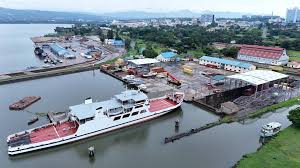
That map is still visible, but it no longer explains the full movement of people, capital, and infrastructure that now defines travel across the continent. Increasingly, tourism follows something less visible than attractions: it follows roads being upgraded, airports being expanded, trade corridors being activated, and administrative power being decentralized. The result is the gradual elevation of secondary cities into functional nodes of mobility rather than passive recipients of visitors.



This shift is not happening evenly, nor is it being branded as a tourism revolution. It is emerging through a convergence of urbanization pressures and regional integration policies.
The World Bank’s urban systems analysis has repeatedly noted that secondary cities are absorbing a disproportionate share of population growth and service demand across Africa, while UN Tourism data points to a steady expansion in intra-African travel driven by business, education and cross-border work.
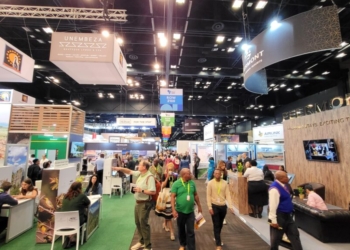
In practice, this means that a growing share of “tourism” is no longer discretionary leisure travel, but movement embedded in economic activity. Hotels fill not only with holidaymakers but with contractors, conference delegates, logistics coordinators and regional administrators whose presence is cyclical but persistent enough to reshape local hospitality markets.
Kisumu illustrates this transition in a particularly visible way because its positioning along Lake Victoria places it at the intersection of transport, trade and regional governance networks.
Infrastructure upgrades around the lake corridor have not only improved domestic connectivity but have also altered the composition of visitors arriving in the city. The African Development Bank has long emphasized that infrastructure-led corridors tend to produce secondary service economies around transport nodes and Kisumu’s hospitality expansion increasingly reflects this logic.
Yet the city’s growth remains uneven, shaped by fragmented coordination between national planning frameworks and county-level execution, leaving gaps between ambition and operational readiness.
Further south, Arusha occupies a different layer of this evolving system. Its historical identity as a safari gateway remains intact, but it now functions as a hybrid administrative and mobility hub where conservation governance, diplomatic activity, and tourism operations intersect.
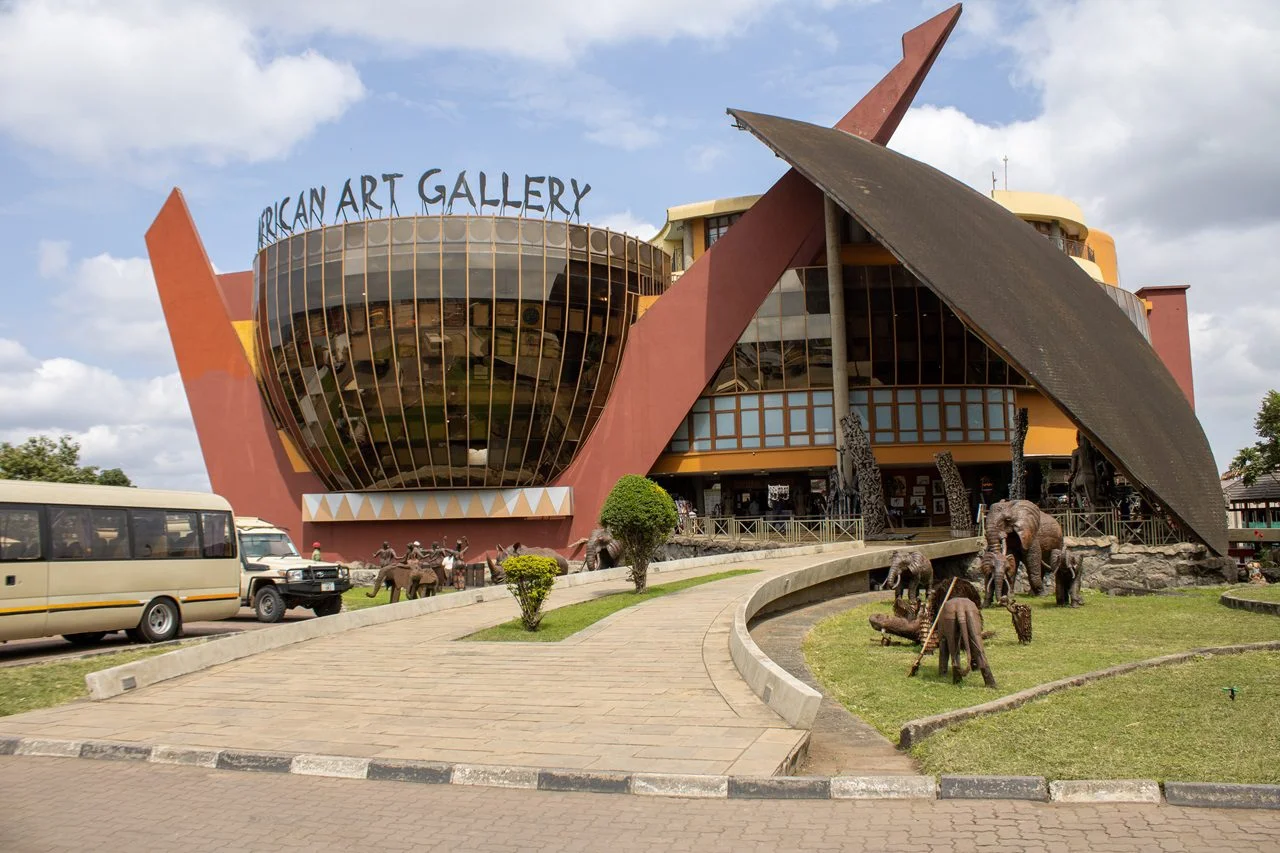
The fragmentation of safari circuits, influenced in part by changes in regional aviation connectivity highlighted in IATA mobility assessments, has reduced dependence on single-entry points and redistributed arrivals across multiple urban nodes. Arusha benefits from this dispersion, not because it has changed its identity, but because the system around it has become less centralized.
In Rwanda’s Huye, the transformation is quieter and more intellectual in character. The city’s tourism relevance is not built on scale but on depth, educational institutions, cultural heritage and curated knowledge spaces that position it within a different category of visitor economy altogether.
UNESCO’s frameworks on cultural preservation underscore how heritage-linked institutions can generate sustained, low-density tourism flows without mass visitation pressures.
But Huye’s constraint is visibility; its tourism economy depends less on physical infrastructure and more on narrative integration into regional circuits that still prioritize more established destinations.
On the southern coast of Africa, Gqeberha reflects an industrial city attempting partial reinvention. Port infrastructure, manufacturing zones and urban regeneration projects coexist with a slowly expanding leisure and events economy.
South African tourism policy has increasingly emphasized diversification beyond Cape Town and Johannesburg, encouraging secondary urban nodes to absorb parts of the visitor economy through infrastructure investment and event-led strategies.
Yet the tension between industrial function and leisure positioning remains unresolved, giving the city a dual identity that is still in negotiation rather than consolidation.
In the Democratic Republic of Congo, Lubumbashi demonstrates how extractive economies unintentionally generate tourism-adjacent systems. Mining operations and corporate mobility create consistent demand for accommodation, transport and short-stay services, even if the city is not marketed as a tourism destination.
World Bank resource corridor analysis has long noted that extractive regions often evolve into service hubs as ancillary industries develop around them. But Lubumbashi’s exposure to commodity cycles introduces volatility, making its hospitality economy sensitive to external price shocks and investment flows.
Further north, Tamale’s evolution is shaped by domestic connectivity and administrative decentralization rather than international tourism positioning. Its growth is incremental, tied to road infrastructure improvements and internal mobility patterns that gradually redistribute economic activity away from coastal centers.
The African Union’s Agenda 2063 mobility framework provides a broader conceptual backdrop for this shift, emphasizing integration and intra-country movement as foundations for long-term economic diversification. In this context, tourism becomes less a targeted industry and more a byproduct of improved accessibility.
Mombasa, by contrast, represents maturity rather than emergence. Its coastal tourism economy is long established, but it is now undergoing a subtle rebalancing as logistics, cruise activity and urban business travel expand alongside traditional beach tourism.
UN Tourism assessments of mature destinations frequently highlight a structural inflection point where reliance on leisure markets alone becomes insufficient to sustain growth. Mombasa’s challenge is therefore not entry into tourism, but adaptation within it, managing congestion, infrastructure pressure and diversification simultaneously.
In Ethiopia, Dire Dawa sits along a different logic altogether, shaped by rail connectivity and trade corridors that prioritize movement over destination appeal. Visitors are often not tourists in the conventional sense but traders, workers and transit passengers moving through a logistics-driven urban system.
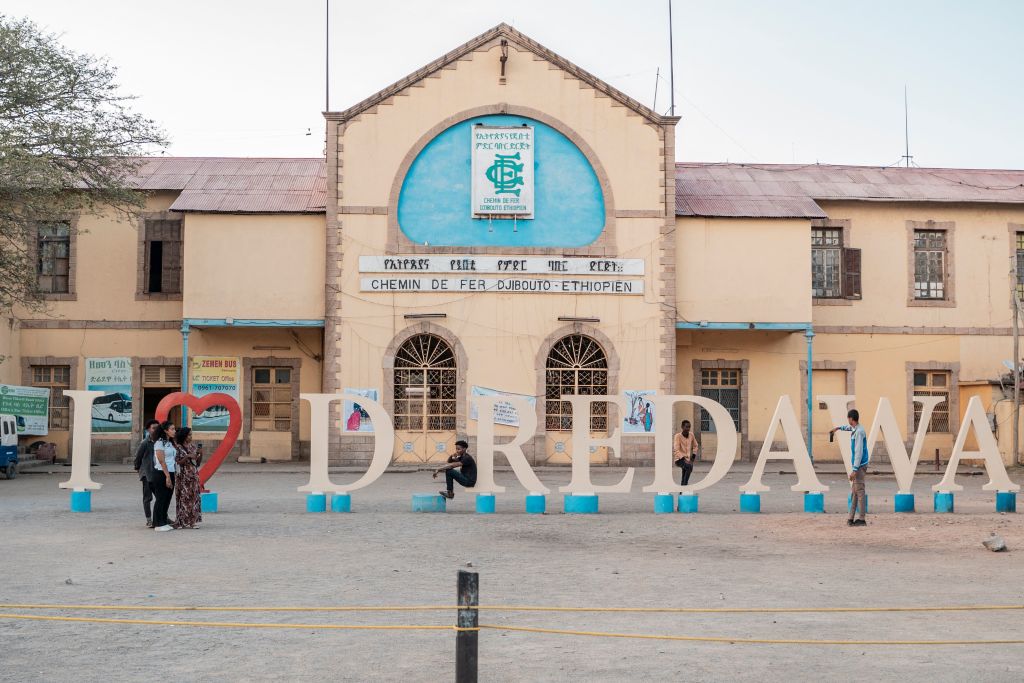
IATA-linked studies on corridor cities suggest that such locations frequently evolve into hybrid economies where tourism is incidental to infrastructure rather than driven by attraction-based demand.
Across these cities, a consistent pattern becomes visible once the surface differences are set aside. Tourism growth is no longer primarily anchored in landmarks, scenery or branding narratives.
It is increasingly determined by infrastructure, airports, roads, trade corridors and administrative decentralization. This is why secondary cities are rising not as curated destinations but as functional urban systems absorbing economic activity that carries tourism as one of its byproducts.
The risks embedded in this transition are equally structural. Hospitality capacity does not always expand in step with demand. Governance structures often remain fragmented between national ministries and local authorities.
Infrastructure gaps persist in transport, utilities, and digital connectivity. And because many of these cities are tied to broader economic cycles, whether commodity prices, political stability or regional trade flows, their tourism trajectories remain sensitive to external shocks.
WHO and IOM frameworks on urban growth further underline that service systems, particularly health and mobility infrastructure, often lag behind rapid urban expansion, indirectly shaping visitor confidence and operational resilience.
Over the next two to three years, the direction of travel is unlikely to change, but its intensity will vary. Airport expansion plans, regional trade integration under frameworks such as the African Continental Free Trade Area and the steady rise of business travel within Africa will reinforce the position of secondary cities as functional nodes in a distributed tourism system.
At the same time, digital discovery platforms are already reducing the dominance of traditional tourism marketing hierarchies, allowing less prominent cities to appear in travel flows without formal branding campaigns.
What is emerging is not a replacement of Africa’s established destinations, but a widening of its tourism geography into something more fragmented and economically grounded.
The continent’s visitor economy is gradually aligning itself with patterns of trade, infrastructure and urban development rather than with the static map of attractions that once defined it.
Seen from that perspective, cities like Kisumu, Arusha, Huye, Gqeberha, Lubumbashi, Tamale, Mombasa and Dire Dawa are not “new destinations” in the conventional sense. They are nodes in a changing system where tourism is no longer an isolated industry but a reflection of how people move, work, trade and connect across space.
Tourism in Africa, in other words, is no longer simply about where people go. It is becoming a quiet record of how the continent itself is being reorganized.