


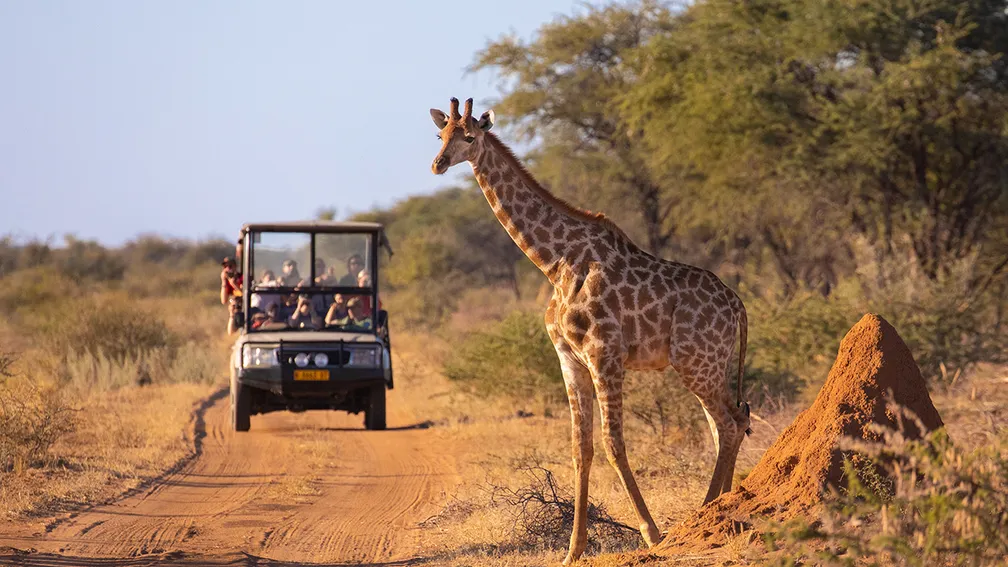
Just beyond the edge of the city skyline in Nairobi, aircraft descend steadily toward Jomo Kenyatta International Airport, carrying travelers from Europe, Asia and the Middle East. Many of those passengers are not arriving for urban business meetings or beach holidays.
They are heading toward something far older and far more elemental: the vast wildlife landscapes that have come to define Kenya on the global tourism map.

For decades, the country’s wildlife reserves and national parks have attracted travelers seeking encounters with lions on open savannah, elephant herds moving across acacia plains and the annual migration of wildebeest across the Masai Mara National Reserve.
Yet behind these iconic images lies a far more complex story. Kenya’s safari sector is not simply tourism. It is an economic ecosystem built through conservation policy, aviation networks, international marketing, and a sophisticated hospitality industry.
According to research from the World Travel & Tourism Council, tourism contributes billions of dollars annually to Kenya’s economy while supporting hundreds of thousands of jobs across hospitality, transportation, conservation management and cultural enterprises. Wildlife tourism sits at the center of that economic engine.
The concept often described as the “safari economy” illustrates how natural landscapes can be transformed into long term economic assets when supported by structured governance and international demand. Kenya’s model demonstrates how protected ecosystems, when properly managed, generate continuous revenue streams through park fees, lodge development, aviation services and conservation partnerships.
One of the most striking aspects of Kenya’s safari economy is the scale of private sector participation. Across the country’s conservation areas, high end safari lodges and tented camps operate in partnership with local communities and wildlife authorities. These lodges often charge several hundred dollars per night, attracting travelers from North America, Europe and increasingly Asia.
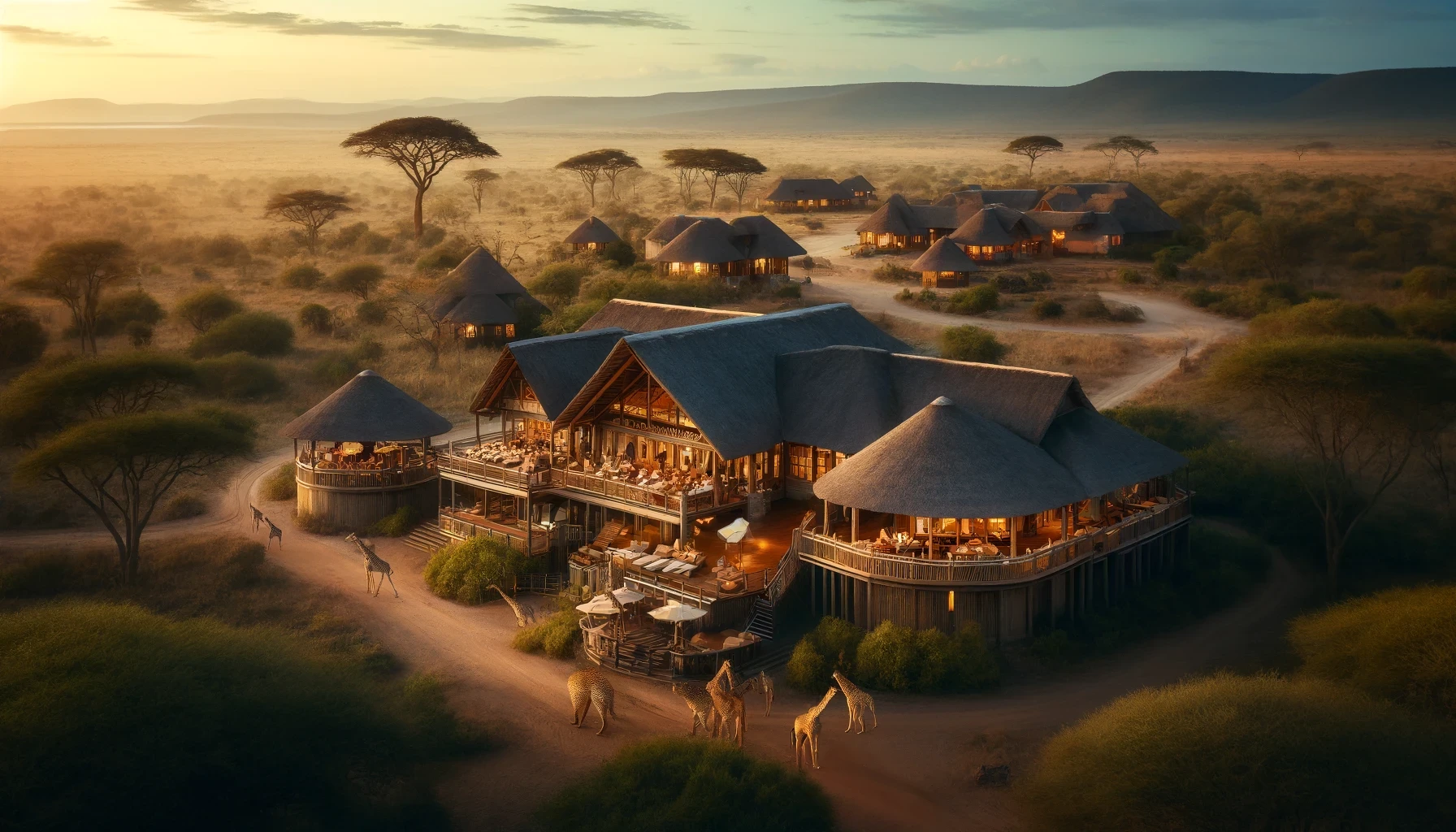
This premium market positioning allows relatively small visitor numbers to generate significant economic returns. Luxury safari travelers typically spend more per trip than traditional mass tourism visitors, creating revenue streams that support conservation programs and community development initiatives.
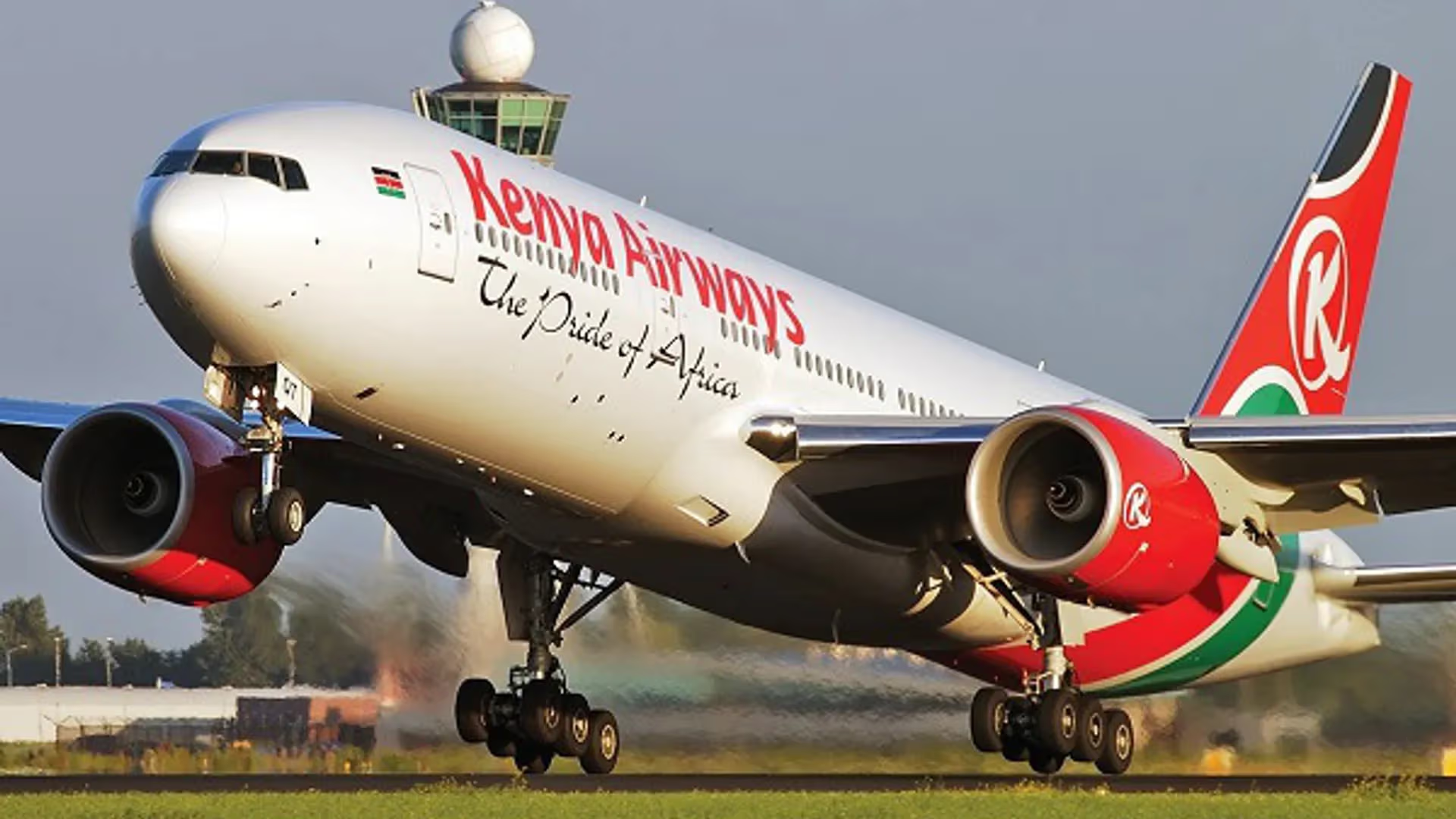
Air connectivity has also played a decisive role in Kenya’s tourism success. Kenya Airways, regional airlines and charter operators connect international arrivals to remote airstrips near wildlife reserves. These aviation links reduce travel times and allow visitors to move quickly between national parks, coastal resorts and urban centers.
The structure of this network reflects broader patterns in global tourism development. Research from UN Tourism consistently shows that destinations with strong aviation connectivity tend to attract higher volumes of international travelers and more diversified tourism investment.
Yet the safari economy also faces structural challenges. Wildlife conservation requires extensive land protection and long term environmental stewardship. Population growth, climate variability and land use conflicts can threaten migration routes and habitat stability. These pressures require continuous coordination between government agencies, conservation organizations, and private investors.
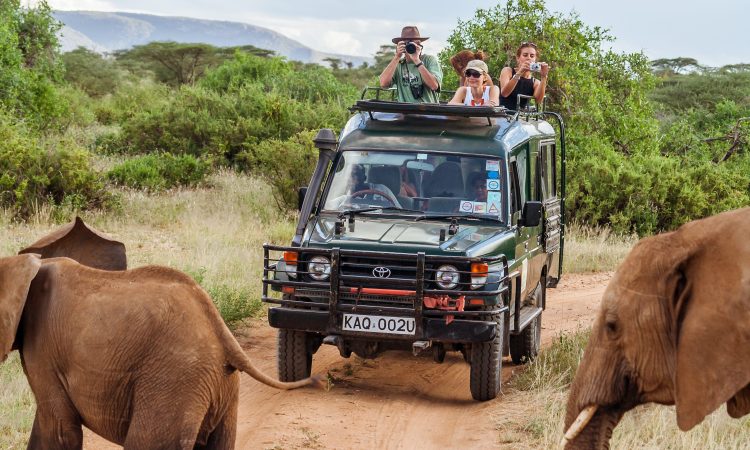
Kenya has responded by expanding community conservancies, a model that allows local landowners to participate directly in wildlife tourism revenue. Under this approach, communities receive financial benefits from conservation through lodge leases, employment opportunities and tourism related enterprises. The model has gradually increased support for wildlife protection while spreading economic gains beyond the boundaries of national parks.
This integration of conservation and economic development is increasingly recognized by international institutions. The African Development Bank has emphasized tourism’s potential to generate employment and foreign exchange while supporting environmental protection across the continent.
The future trajectory of Kenya’s safari economy will likely depend on several factors. Sustainable conservation financing, resilient infrastructure, digital marketing strategies and evolving traveler preferences will all shape the sector’s growth over the coming decades.
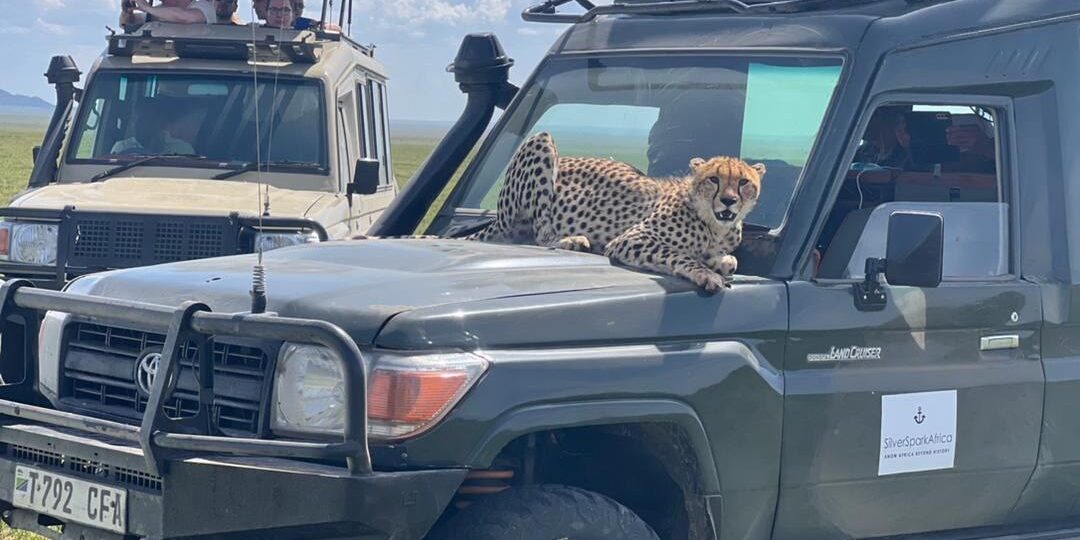
What remains clear is that Kenya has achieved something rare in global tourism: the transformation of natural landscapes into an internationally recognized economic brand. From the savannah plains of the Masai Mara National Reserve to the broader network of national parks and conservancies across the country, wildlife tourism has become one of the most powerful engines of Kenya’s global identity and economic resilience.