Tuesday, September 8, 2026
AFRICA TOURISM SUMMIT
Sponsored
  • Home
  • Places & Experiences
  • Events & Summits
  • Business & Investment
  • Mobility & Border Intelligence
  • Future & Innovation
  • Shop
  • Start Here
No Result
View All Result
  • Home
  • Places & Experiences
  • Events & Summits
  • Business & Investment
  • Mobility & Border Intelligence
  • Future & Innovation
  • Shop
  • Start Here
No Result
View All Result
AFRICA TOURISM SUMMIT
No Result
View All Result
  • Home
  • Places & Experiences
  • Events & Summits
  • Business & Investment
  • Mobility & Border Intelligence
  • Future & Innovation
  • Shop
  • Start Here

The Great Migration: Why the Maasai Mara and Serengeti Remain Africa’s Ultimate Wildlife Spectacle

ELVES KIMUTAI by ELVES KIMUTAI
March 5, 2026 - Updated on August 13, 2026
in Places & Experiences
Reading Time: 5 mins read
0 0
A A
Africa’s Ultimate Safari Experience: Inside the Serengeti and Maasai Mara Migration

Africa’s Ultimate Safari Experience: Inside the Serengeti and Maasai Mara Migration

Every year across the vast plains of East Africa, one of nature’s most dramatic journeys unfolds. More than two million wildebeest, zebras and gazelles begin a relentless migration across the savannahs of Tanzania and Kenya, moving in search of fresh grazing and water.

This extraordinary wildlife movement, often described by researchers at the World Wildlife Fund as the largest land migration on Earth, links two of Africa’s most celebrated wilderness areas: the sweeping grasslands of Serengeti National Park and the rolling plains of Maasai Mara National Reserve.
Africa’s Ultimate Safari Experience: Inside the Serengeti and Maasai Mara Migration
Africa’s Ultimate Safari Experience: Inside the Serengeti and Maasai Mara Migration/PHOTO COURTESY

For travelers, photographers, conservationists and wildlife enthusiasts, these two landscapes together form the beating heart of African safari tourism.

The Serengeti ecosystem stretches across northern Tanzania and extends into southwestern Kenya, covering nearly 30,000 square kilometers of protected wilderness. According to ecological research conducted through the Serengeti Research Institute and supported by conservation bodies such as the International Union for Conservation of Nature (IUCN), this vast landscape supports one of the highest concentrations of large mammals anywhere on Earth.

Within this immense ecosystem, wildlife moves according to ancient seasonal rhythms that long predate modern borders. When the rains fall in southern Serengeti between December and March, the plains become lush with nutrient rich grasses. This is where the migration begins each year as hundreds of thousands of wildebeest gather to calve.

Explore More Insights

Africa’s tourism future is no longer centered on capitals — it is being reshaped by rising secondary cities.

Why Africa’s Secondary Cities Are Becoming the Next Frontier of Tourism Growth

May 30, 2026 - Updated on August 13, 2026
Top Cultural Experiences and Adventure Travel in Africa

Top Cultural Experiences and Adventure Travel in Africa

March 5, 2026 - Updated on August 13, 2026
the best safari experiences across africa’s wildlife parks

The Best Safari Experiences Across Africa’s Wildlife Parks

March 5, 2026 - Updated on August 13, 2026

During this period, the ecosystem briefly becomes one of the most concentrated wildlife nurseries on the planet. Within only a few weeks, nearly half a million calves are born. Their arrival also attracts predators. Lions, cheetahs, hyenas and leopards follow the herds closely, creating a delicate balance between survival and predation that defines the Serengeti’s ecological drama.

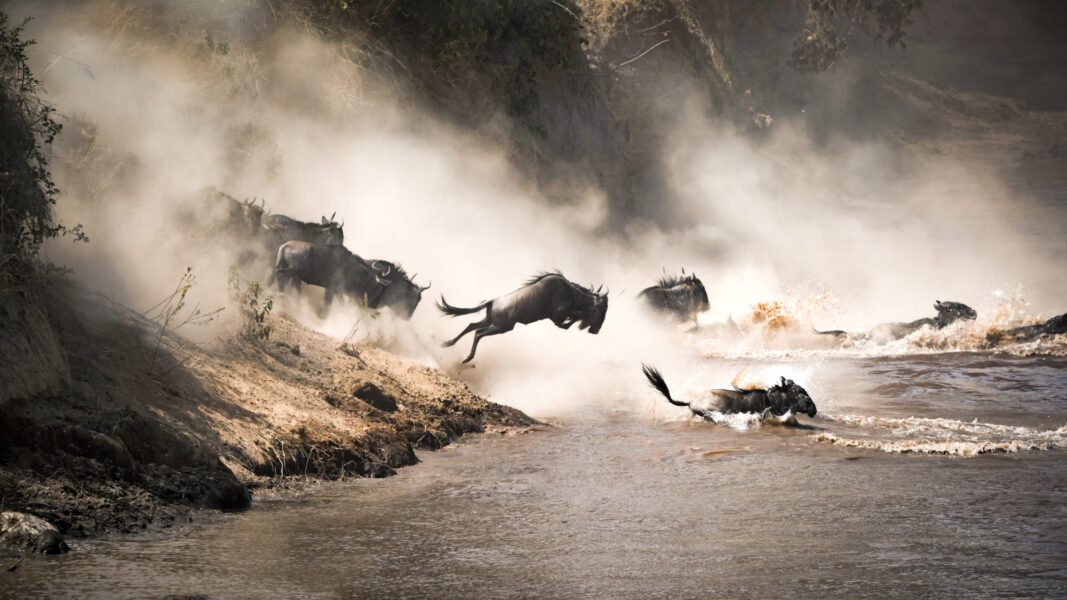
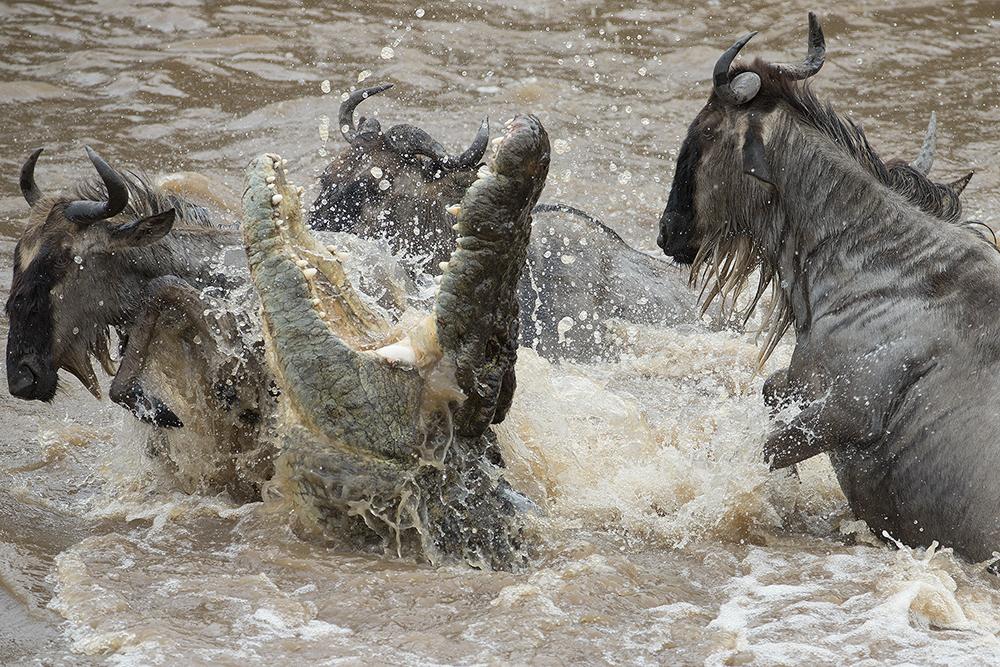
As the dry season approaches and grazing diminishes, the herds begin their long movement northward. By mid year they approach the Mara River, a winding waterway that separates Tanzania from Kenya and flows through the northern Serengeti and the Maasai Mara. Wildlife documentaries produced by the National Geographic Society have made these crossings globally famous. Thousands of animals gather along the banks, hesitating before plunging into crocodile infested waters in chaotic bursts of movement.
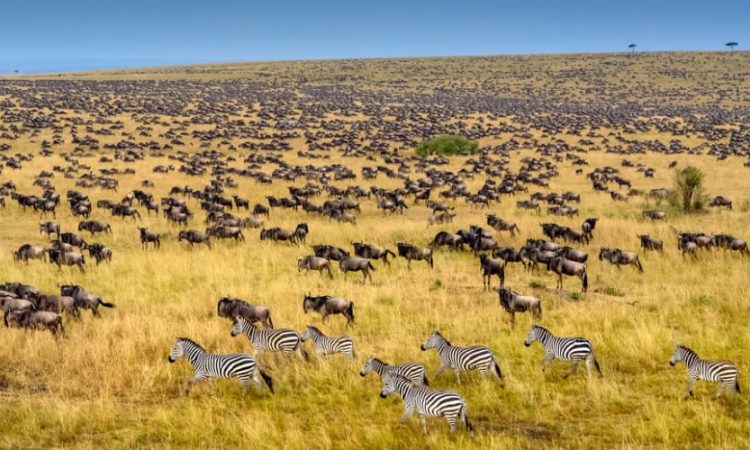
Wildebeest migration safari in Maasai Mara National Reserve
Wildebeest migration safari in Maasai Mara National Reserve/PHOTO COURTESY

It is here that the reputation of the Maasai Mara has been built. During migration season from July to October, the reserve becomes one of the most wildlife dense landscapes on Earth. Herds stretch across the horizon, accompanied by large prides of lions and swift cheetahs that take advantage of the seasonal abundance of prey.

Beyond the migration spectacle, the Maasai Mara also offers something equally powerful: cultural heritage. The reserve lies within lands traditionally inhabited by the Maasai people, whose pastoralist culture remains closely connected to the ecosystem. Community conservation programs supported by the African Wildlife Foundation have helped integrate tourism with local livelihoods.

Many safari lodges and conservancies operate in partnership with Maasai communities, ensuring tourism revenue contributes directly to conservation and economic opportunities for local residents.

This model of community based conservation has become a global example of how tourism can protect wildlife habitats while supporting indigenous communities. Private conservancies surrounding the Maasai Mara now limit vehicle numbers, maintain habitat corridors, and offer more exclusive safari experiences compared with the main reserve.

Luxury eco lodges, tented camps, and conservation focused safari operators have transformed the region into one of Africa’s most sophisticated tourism economies. Visitors arrive not only to witness wildlife but also to experience the wider ecosystem through guided walking safaris, hot air balloon flights over the savannah, and cultural visits to Maasai villages.

Meanwhile across the border, the Serengeti remains one of the most scientifically studied ecosystems in the world. Long term monitoring programs supported by the Tanzania National Parks Authority continue to track migration routes, predator populations and climate patterns that influence wildlife movement across the plains.

Tourism plays a crucial role in protecting this ecosystem. Park fees, safari operators, and conservation partnerships generate essential funding for wildlife protection, anti poaching programs, and scientific research.
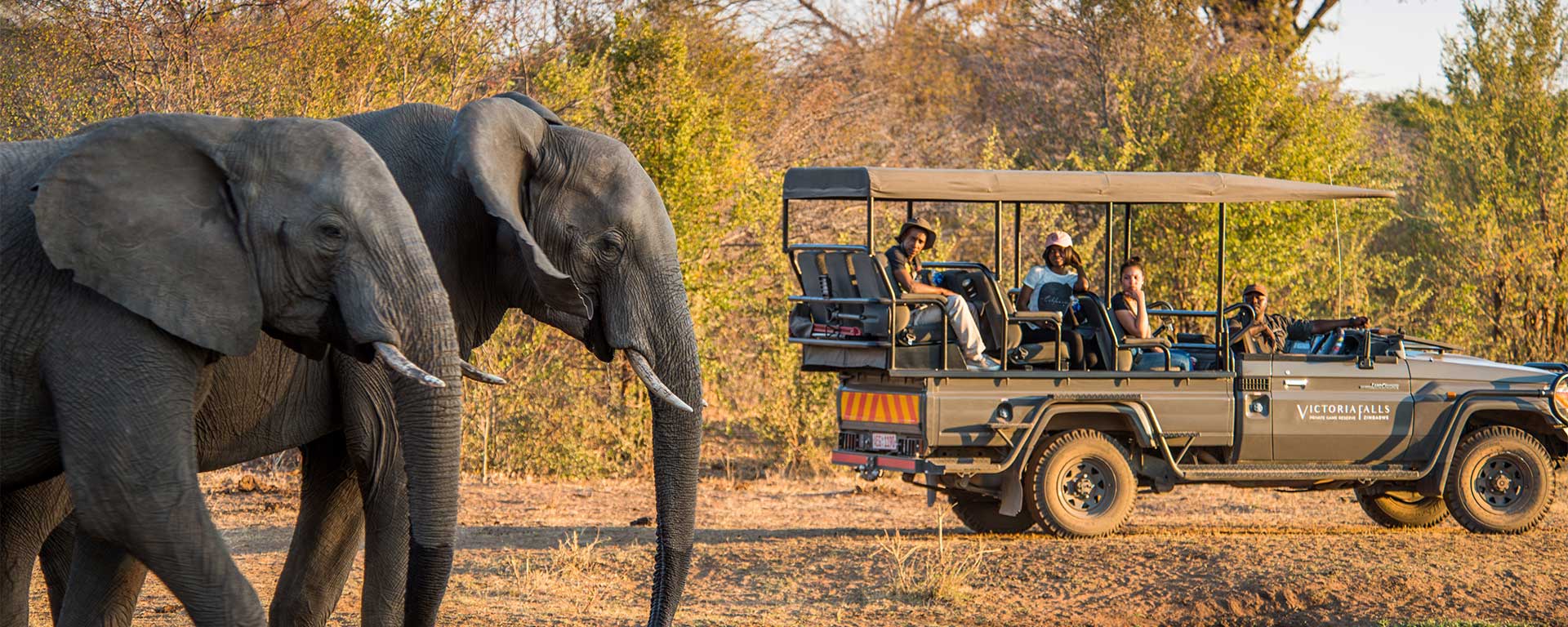
Africa’s Iconic Safari Destinations: The Magic of the Serengeti and Maasai Mara
Africa’s Iconic Safari Destinations: The Magic of the Serengeti and Maasai Mara/PHOTO COURTESY

For travelers seeking a once in a lifetime safari experience, the Serengeti and Maasai Mara together represent something rare in the modern world: a largely intact ecosystem where natural processes still unfold on a grand scale.

The thunder of hooves across the savannah, the tension of a river crossing and the quiet presence of lions watching the herds remind visitors that these landscapes are far more than tourist attractions. They are living systems shaped by millions of years of evolution.

In that sense, the Great Migration is not simply a wildlife event. It is a reminder of Africa’s enduring natural heritage and the importance of preserving it for generations yet to come.
Tags: #africadestinations#africasafari#ecotourism#greatmigration#luxurysafari#maasaimara#nationalparks#safariexperience#serengeti#WildlifeTourism
ShareTweetShareSendShareSendPinShareScan
Previous Post

How Wildlife Tourism Built Kenya’s Global Travel Brand

Next Post

Africa’s Most Fascinating Cultural Heritage Sites to Visit

ELVES KIMUTAI

ELVES KIMUTAI

An African publisher, analyst and editor at Africa Tourism Summit, where he examines the forces shaping tourism, investment, innovation, culture and economic development across Africa. His work combines research-driven journalism, executive interviews and long-form industry analysis to explore how destinations, businesses, cities and institutions are adapting to a rapidly changing continent. Through his writing, he connects policymakers, investors, entrepreneurs, development institutions and industry leaders around the ideas, opportunities and trends shaping Africa's future. Elves Insight: “People do not need more information. They need better explanations.” Connect: LinkedIn Profile

Explore More Insights

Africa’s tourism future is no longer centered on capitals — it is being reshaped by rising secondary cities.
Places & Experiences

Why Africa’s Secondary Cities Are Becoming the Next Frontier of Tourism Growth

May 30, 2026 - Updated on August 13, 2026

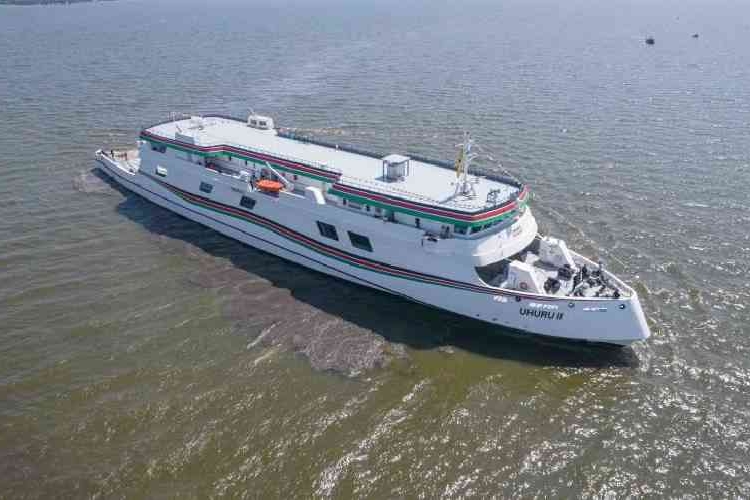
A ferry eases away from the Kisumu shoreline just after mid-morning, not carrying the theatrical rhythm of leisure tourism but the quieter tempo of routine movement, commuters, small delegations and logistics teams moving...

Top Cultural Experiences and Adventure Travel in Africa
Places & Experiences

Top Cultural Experiences and Adventure Travel in Africa

March 5, 2026 - Updated on August 13, 2026

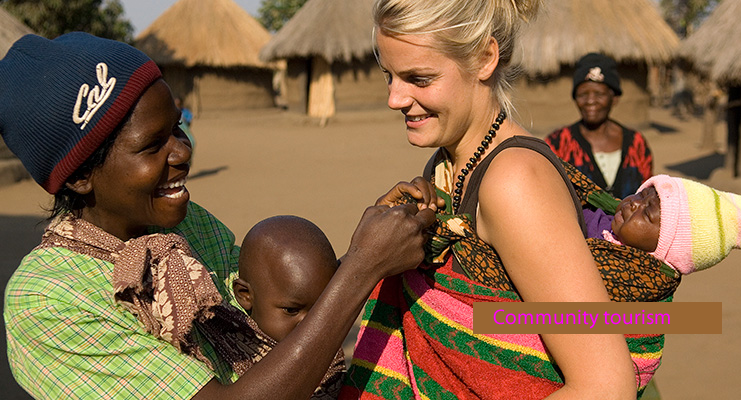
Morning sunlight settles gently over the plains of northern Tanzania as visitors step into a traditional homestead near the edge of the Maasai Mara ecosystem. Warriors dressed in vivid red shúkàs greet guests...

the best safari experiences across africa’s wildlife parks

The Best Safari Experiences Across Africa’s Wildlife Parks

March 5, 2026 - Updated on August 13, 2026
africa’s most beautiful island and coastal destinations for luxury travelers

The Best Island and Coastal Destinations to Visit in Africa

March 5, 2026 - Updated on August 13, 2026
UNESCO World Heritage Sites in South Africa

Africa’s Most Fascinating Cultural Heritage Sites to Visit

March 5, 2026 - Updated on August 13, 2026
Kenya safari landscape with wildlife in Masai Mara National Reserve

How Wildlife Tourism Built Kenya’s Global Travel Brand

March 4, 2026 - Updated on August 13, 2026
Load More
Next Post
UNESCO World Heritage Sites in South Africa

Africa’s Most Fascinating Cultural Heritage Sites to Visit

africa’s most beautiful island and coastal destinations for luxury travelers

The Best Island and Coastal Destinations to Visit in Africa

the best safari experiences across africa’s wildlife parks

The Best Safari Experiences Across Africa’s Wildlife Parks

Top Cultural Experiences and Adventure Travel in Africa

Top Cultural Experiences and Adventure Travel in Africa

Africa’s tourism future is no longer centered on capitals — it is being reshaped by rising secondary cities.

Why Africa's Secondary Cities Are Becoming the Next Frontier of Tourism Growth

KAHAWA VILLA ADVERTISEMENT KAHAWA VILLA ADVERTISEMENT KAHAWA VILLA ADVERTISEMENT

Capital Signals

Facebook Twitter LinkedIn Youtube RSS

Popular

  • Investors, tourism leaders and technology innovators networking at a tourism trade fair in Africa focused on investment, culture and innovation.

    Can a Tourism Fair Become an Economic Marketplace?

    0 shares
    Share 0 Tweet 0
  • Africa’s Most Fascinating Cultural Heritage Sites to Visit

    0 shares
    Share 0 Tweet 0
  • Why Africa’s Secondary Cities Are Becoming the Next Frontier of Tourism Growth

    0 shares
    Share 0 Tweet 0
  • Top Cultural Experiences and Adventure Travel in Africa

    0 shares
    Share 0 Tweet 0
  • The Best Safari Experiences Across Africa’s Wildlife Parks

    0 shares
    Share 0 Tweet 0
  • Start Here
  • About
  • Privacy Policy
  • Terms of Use
  • Editorial Standards
  • Contact
  • Partnerships
  • Shop
Call : +254 732 394 043

© 2026 Africa Tourism Summit. All Rights Reserved
Africa's Tourism Investment Intelligence Hub.
Designed, built & managed by Elves Kimutai

No Result
View All Result
  • Home
  • Places & Experiences
  • Events & Summits
  • Business & Investment
  • Mobility & Border Intelligence
  • Future & Innovation
  • Shop
  • Start Here

© 2026 Africa Tourism Summit. All Rights Reserved
Africa's Tourism Investment Intelligence Hub.
Designed, built & managed by Elves Kimutai

Welcome Back!

Login to your account below

Forgotten Password? Sign Up

Create New Account!

Fill the forms below to register

*By registering into our website, you agree to the Terms & Conditions and Privacy Policy.
All fields are required. Log In

Retrieve your password

Please enter your username or email address to reset your password.

Log In
This website uses cookies. By continuing to use this website you are giving consent to cookies being used. Visit our Privacy and Cookie Policy.