



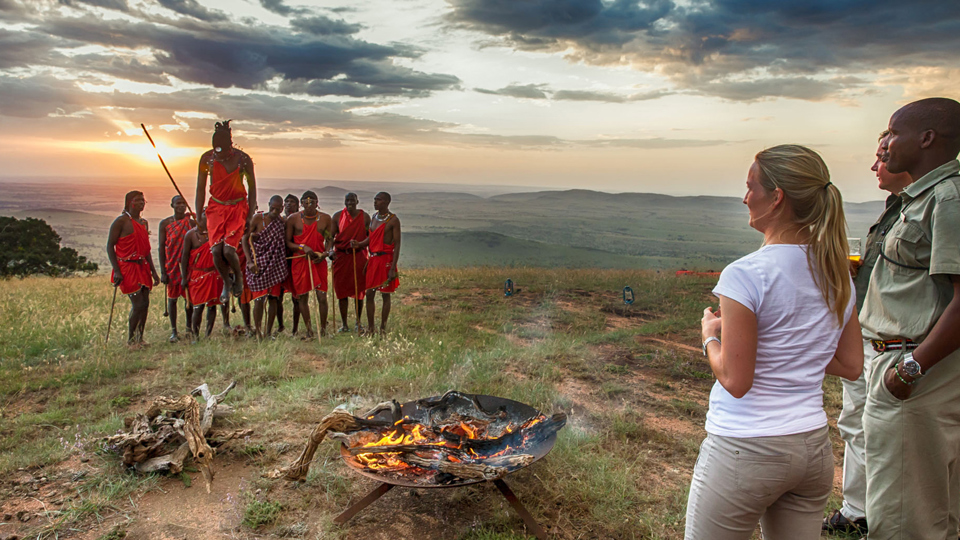
Morning sunlight settles gently over the plains of northern Tanzania as visitors step into a traditional homestead near the edge of the Maasai Mara ecosystem. Warriors dressed in vivid red shúkàs greet guests with songs that have been passed through generations. In this moment, tourism moves beyond wildlife viewing. It becomes an encounter with living cultures that continue to shape Africa’s identity.
Across the continent, cultural and adventure experiences have emerged as a powerful complement to safari tourism. Travelers increasingly seek immersive journeys that connect landscapes with communities, traditions and history.
Explore More Insights

According to the UN Tourism, experiential travel and cultural tourism are among the fastest-growing segments of global tourism demand. Visitors are no longer satisfied with observing destinations from a distance. They want to participate, learn and interact.
Africa offers extraordinary opportunities for this type of engagement. One of the most iconic adventure experiences on the continent unfolds high above the plains of East Africa on the slopes of Mount Kilimanjaro, the tallest mountain in Africa. Each year thousands of trekkers attempt the multi-day ascent toward Uhuru Peak, crossing ecosystems that range from tropical forest to alpine desert.
Kilimanjaro trekking has become a cornerstone of Tanzania’s tourism economy, generating revenue not only for tour operators but also for porters, guides and rural communities that support expedition logistics. According to the World Travel & Tourism Council, adventure tourism continues to expand globally as travelers seek physically engaging experiences connected to nature.
Far to the north, the vast dunes of the Sahara Desert present a completely different form of adventure. Camel caravans move slowly across shifting sand landscapes while travelers camp beneath vast night skies untouched by city lights.
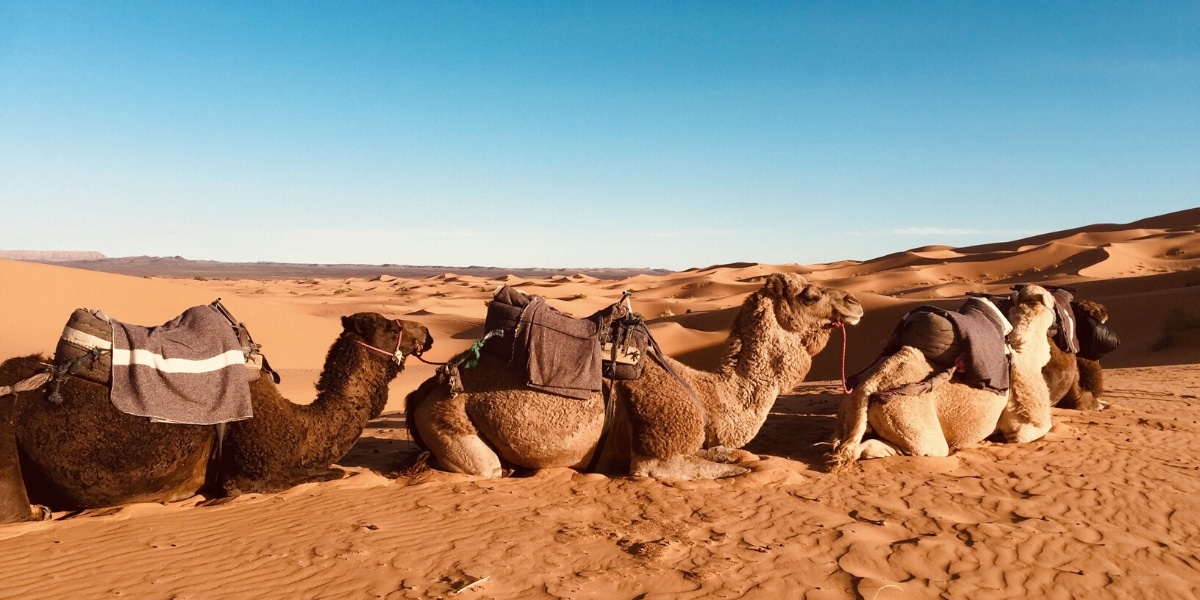
Desert tourism has become an important economic sector for several North African countries, offering income for nomadic communities while preserving centuries-old trade routes that once linked Africa with the Mediterranean and Middle East.
Along the eastern coastline, cultural exploration takes on a historical dimension within the narrow streets of Stone Town in Zanzibar. Carved wooden doors, coral stone buildings and winding alleyways tell the story of centuries of maritime trade between Africa, Arabia, India and Europe.
Recognized as a UNESCO World Heritage Site, Stone Town represents one of the most culturally significant urban landscapes in Africa. Tourism authorities view the preservation of such heritage sites not only as a cultural responsibility but also as a long-term economic asset.
Adventure tourism takes another dramatic form in the towering dunes of Namibia’s Namib Desert, widely considered the world’s oldest desert. Visitors climb towering red sand dunes at sunrise before exploring salt pans and desert-adapted wildlife habitats.
The Namib landscape demonstrates how nature-based adventure tourism can coexist with conservation priorities. National parks and protected areas across southern Africa increasingly integrate sustainable tourism models designed to balance visitor access with environmental protection.
These experiences illustrate a broader transformation within Africa’s tourism sector. Cultural tourism, adventure travel and heritage preservation are becoming essential pillars within national tourism strategies.
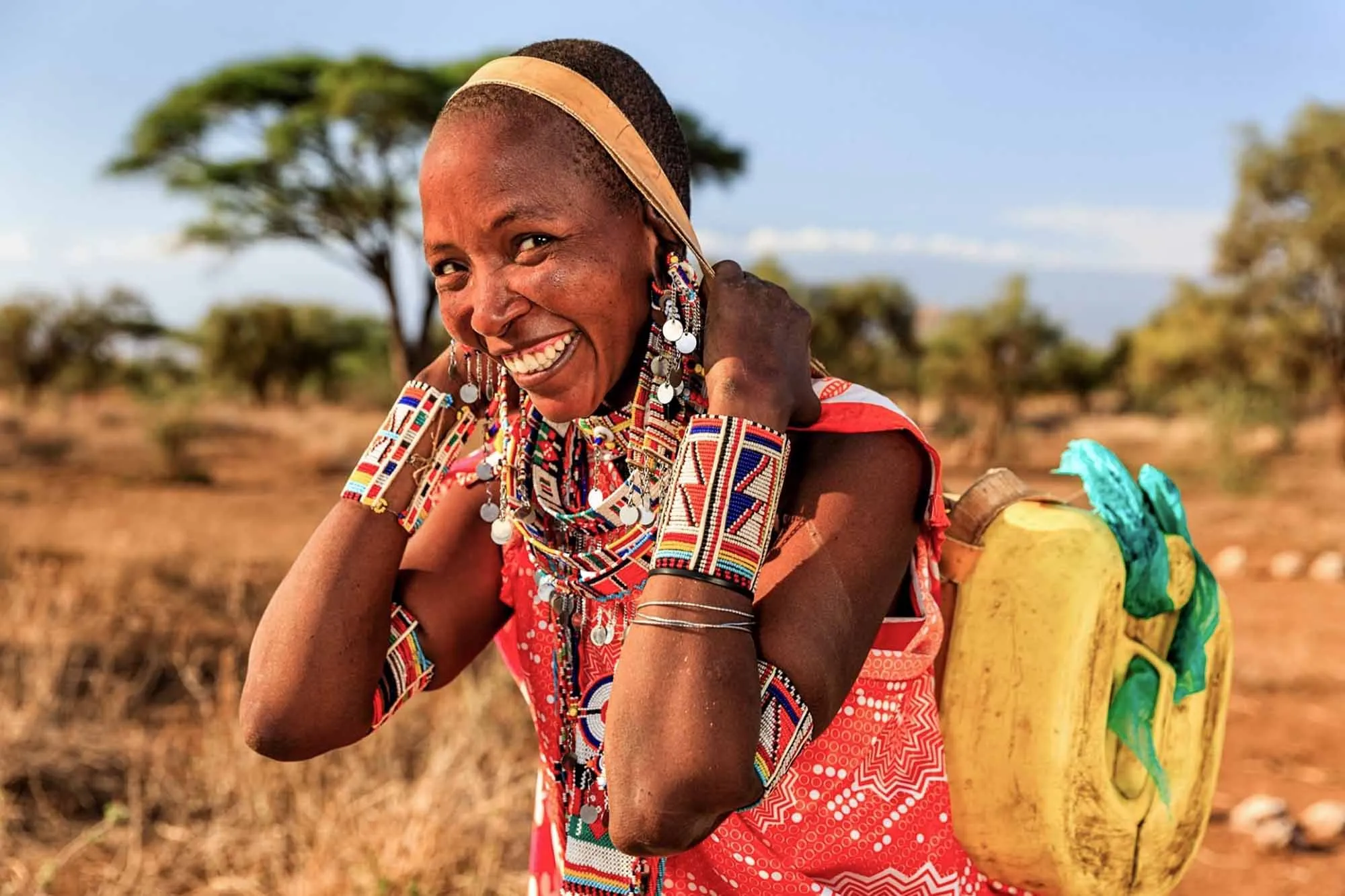
Development institutions such as the African Development Bank have emphasized tourism’s role as a catalyst for inclusive economic growth. Cultural tourism initiatives often distribute revenue directly to local communities through guiding services, crafts markets, accommodation and heritage conservation projects.
This approach helps ensure that tourism development does not remain confined to major urban centers or luxury safari circuits.
Yet the growth of cultural tourism also requires careful management. Heritage sites face pressure from increasing visitor numbers while traditional communities must balance economic opportunity with cultural preservation.
Policy frameworks, heritage protection laws and responsible tourism standards are therefore becoming increasingly important across African destinations.
Looking ahead over the next two decades, analysts expect demand for cultural and experiential travel to expand significantly as global travelers prioritize authenticity, heritage and human connection.
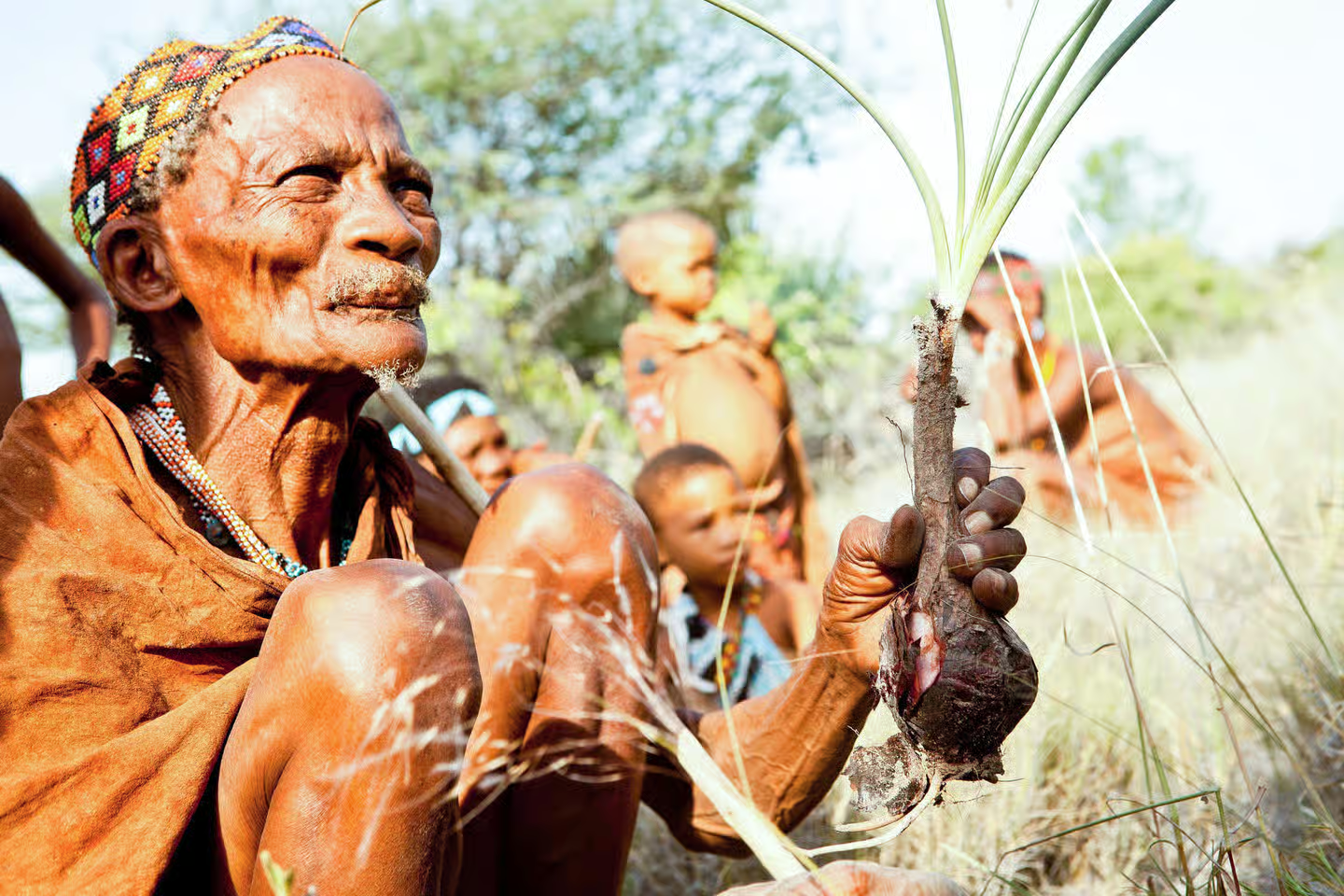
Africa’s cultural landscapes, from desert trade routes to mountain expeditions and historic coastal cities, place the continent in a uniquely strong position within this evolving tourism market.
For travelers willing to step beyond traditional itineraries, these experiences reveal something deeper than scenery. They offer a living connection to the cultures, histories and landscapes that continue to shape Africa’s story.
FAQ Section
What are the best cultural experiences in Africa?
Some of the most popular include visiting Maasai villages in Kenya and Tanzania, exploring Stone Town in Zanzibar, desert expeditions in the Sahara, and heritage tours across North Africa.
Where can travelers hike Mount Kilimanjaro?
Mount Kilimanjaro is located in Tanzania and offers several trekking routes including Machame, Marangu, Lemosho, and Rongai.
What adventure travel experiences are popular in Africa?
Popular adventure activities include Kilimanjaro climbing, Sahara desert camel expeditions, Namibia dune trekking, and wildlife trekking across East African conservation areas.