Across Africa, travel is not defined only by landscapes or wildlife. Many of the continent’s most powerful destinations are places where history, architecture and living traditions shape the visitor experience.
These are cities, monuments and cultural landscapes where the past remains visible in stone streets, sacred buildings and centuries-old traditions that continue to influence daily life.
From coastal trading towns to ancient kingdoms and spiritual pilgrimage sites, Africa’s cultural destinations reveal layers of history shaped by migration, commerce, religion and resistance.
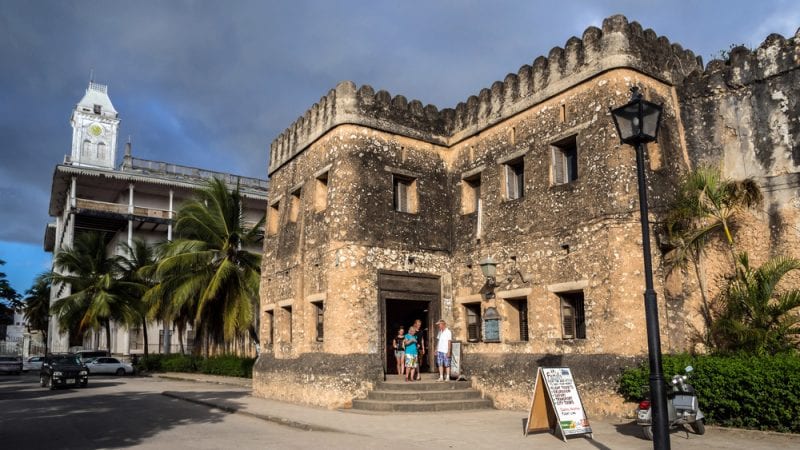
One of the most atmospheric examples is Stone Town on the island of Zanzibar in Tanzania. Its narrow alleys, intricately carved wooden doors and coral-stone buildings reflect centuries of interaction between African, Arab, Persian and Indian traders. Recognized as a UNESCO World Heritage Site, Stone Town grew as a major hub in the Indian Ocean trade networks that connected East Africa to the Middle East and Asia.
Walking through its winding streets reveals mosques, old merchant houses, bustling markets and historic landmarks such as the Old Fort and the House of Wonders. Beyond its architecture, the town remains a living cultural center where Swahili traditions, music, cuisine, and festivals continue to thrive.



Further inland in the highlands of northern Ethiopia lies one of Africa’s most extraordinary spiritual landscapes: the Lalibela Rock-Hewn Churches. Carved directly from volcanic rock in the 12th and 13th centuries, these monolithic churches remain active places of worship for the Ethiopian Orthodox community.
Often described as one of the greatest architectural achievements of medieval Africa, the Lalibela complex includes eleven interconnected churches linked by tunnels, passages and ceremonial walkways. Pilgrims dressed in white robes still gather here during major religious festivals, preserving traditions that have endured for centuries.
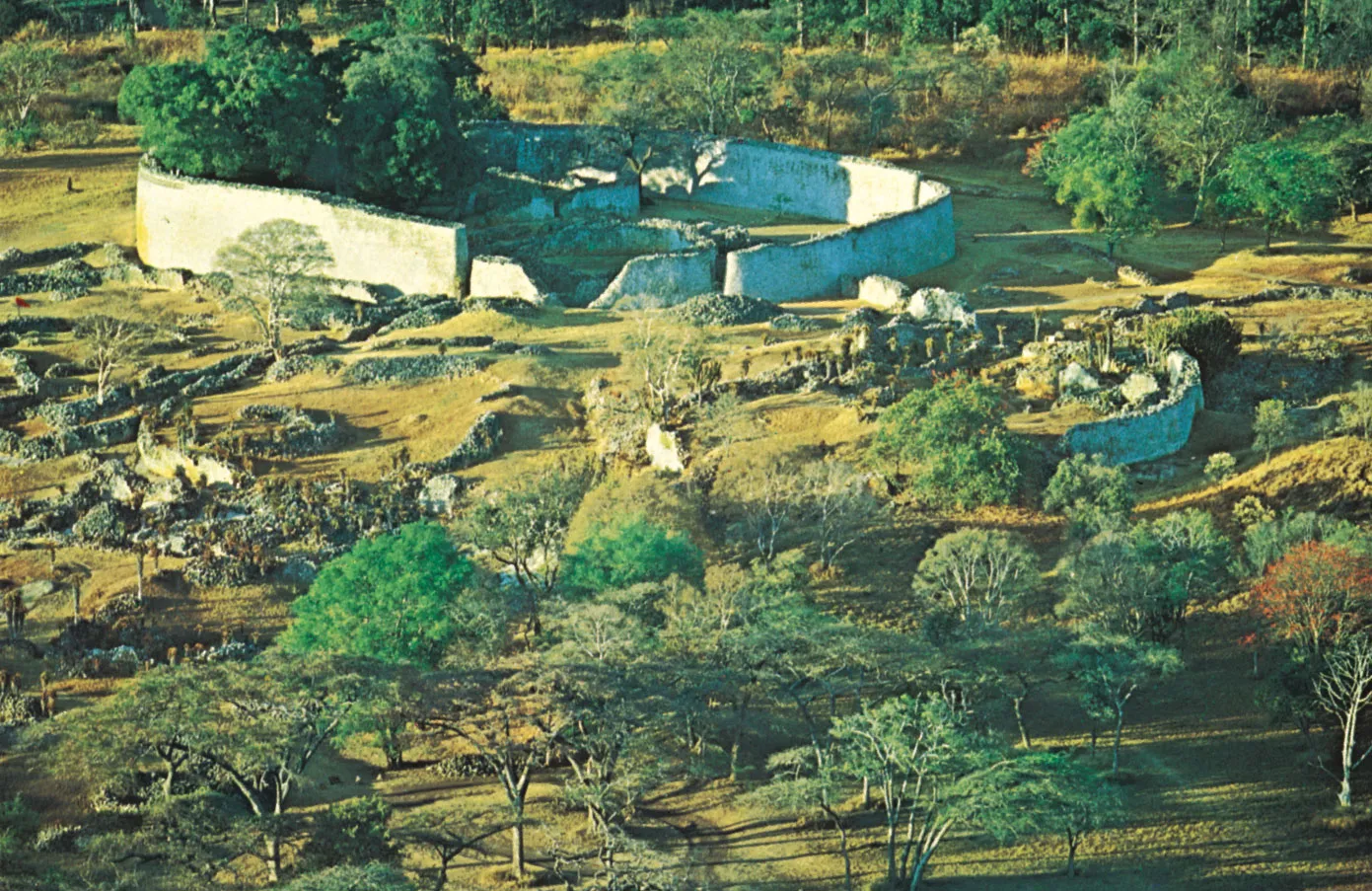
While Lalibela represents spiritual heritage, southern Africa offers a powerful window into the continent’s pre-colonial civilizations. The stone ruins of Great Zimbabwe stand as one of the most significant archaeological sites in Africa. Built between the 11th and 15th centuries, this ancient city served as the capital of a powerful trading kingdom that controlled regional commerce in gold and ivory.
Massive granite walls constructed without mortar still dominate the landscape, particularly the famous Great Enclosure, whose curved stone walls remain among the largest ancient structures in sub-Saharan Africa. Archaeological research indicates that Great Zimbabwe was once home to thousands of residents and played a central role in trade networks connecting southern Africa to the Indian Ocean.
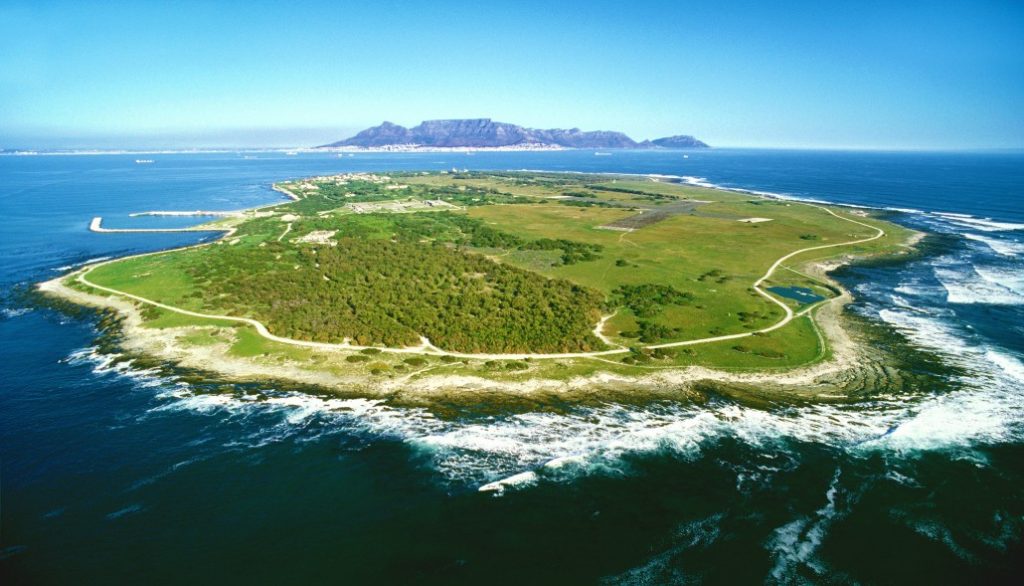
In South Africa, cultural heritage takes a different form through places that preserve the memory of political struggle and social transformation. One of the most symbolic is Robben Island, located off the coast of Cape Town.
For decades the island served as a prison during the apartheid era. It is most widely known as the place where Nelson Mandela spent 18 of his 27 years in incarceration before eventually becoming South Africa’s first democratically elected president. Today Robben Island is both a museum and a UNESCO World Heritage Site that tells the story of South Africa’s long struggle for freedom and equality.
Across the Atlantic on the coast of West Africa lies another deeply symbolic location: Gorée Island in Senegal. Situated just off the coast of Dakar, the island became one of the most recognized sites associated with the transatlantic slave trade.
Historic buildings such as the House of Slaves now serve as museums and memorials that commemorate millions of Africans who were forcibly taken from the continent. Today Gorée Island attracts visitors from around the world seeking to understand the historical impact of the slave trade and its global legacy.
Together these destinations illustrate the extraordinary diversity of Africa’s cultural heritage. They reveal how architecture, religion, commerce, and political history have shaped societies across the continent.
For modern travelers, visiting these places offers something deeper than sightseeing. It provides an opportunity to engage with the living narratives of Africa’s past and to witness how culture continues to evolve while preserving its historical roots.
As global tourism increasingly values authentic cultural experiences, Africa’s heritage destinations are gaining renewed recognition. From the coral-stone streets of Stone Town to the sacred rock churches of Lalibela and the historic memory preserved on Robben Island and Gorée Island, these places stand as enduring reminders that Africa’s identity is written not only in landscapes, but also in its history, architecture, and living traditions