Dawn breaks slowly across the grasslands of East Africa. Mist lifts from the savannah while herds begin to move across the horizon, their silhouettes framed against an orange sky. In landscapes where wildlife migration still follows ancient seasonal rhythms, the African safari remains one of the most powerful nature experiences on Earth.
For international travelers, photographers and conservationists, these encounters represent more than tourism. They are gateways into ecosystems that sustain biodiversity on a continental scale.
Across Africa, safari experiences unfold inside protected landscapes that have become pillars of the global wildlife tourism economy. According to research from the World Travel & Tourism Council, nature-based tourism represents one of the fastest-growing segments of global travel, with wildlife destinations among the most sought-after experiences for international visitors.
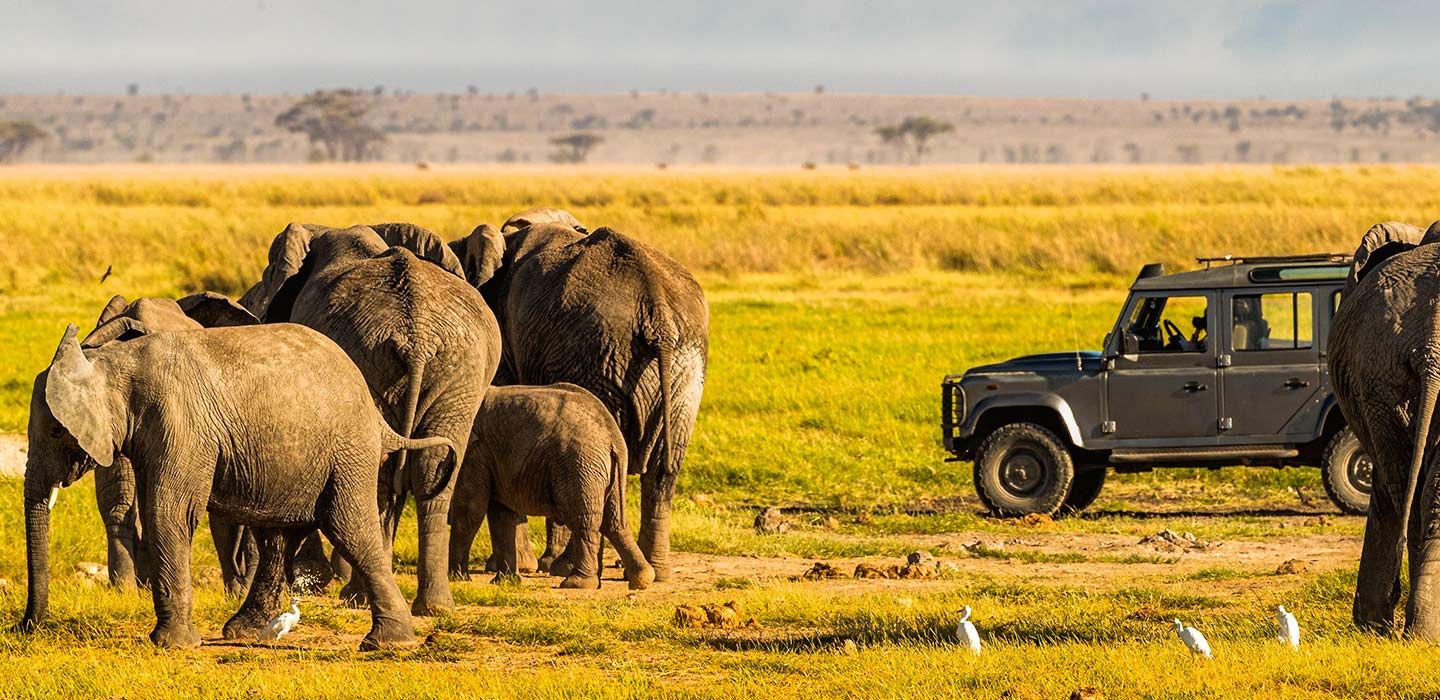
Within Africa, safari tourism supports thousands of jobs, funds conservation programs and generates critical foreign exchange for national economies.
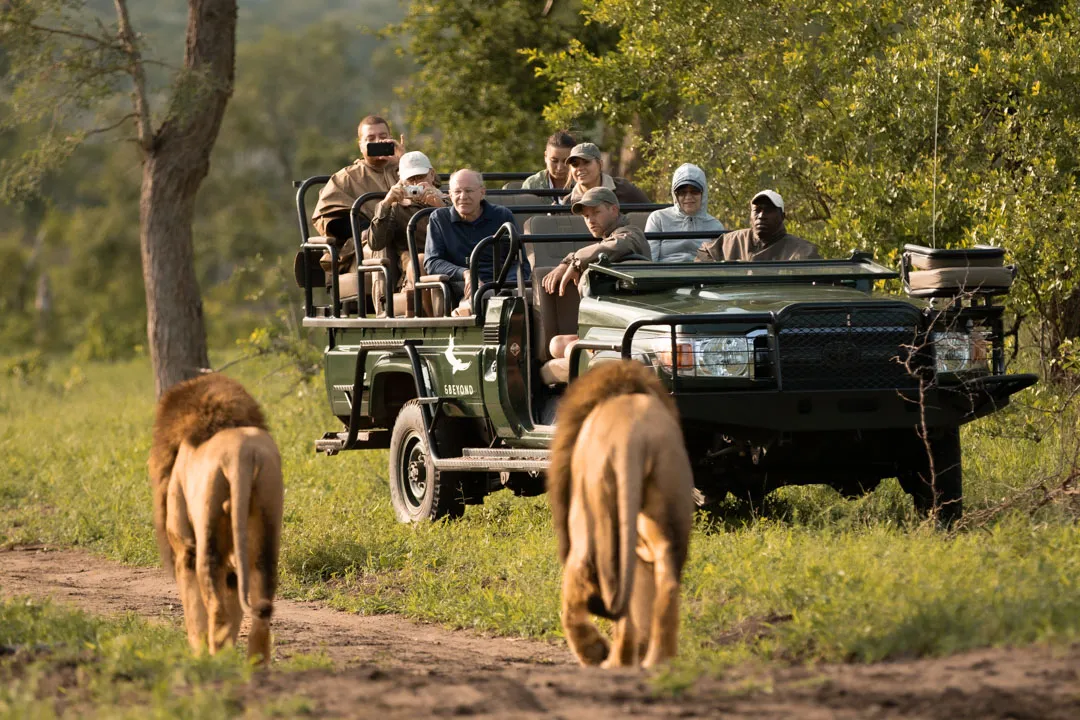
Among the most iconic wildlife experiences is the classic game drive across the rolling plains of the Maasai Mara National Reserve in southwestern Kenya. Known for its extraordinary density of wildlife, the reserve hosts populations of lions, elephants, cheetahs, buffalo and leopards that draw visitors year-round.


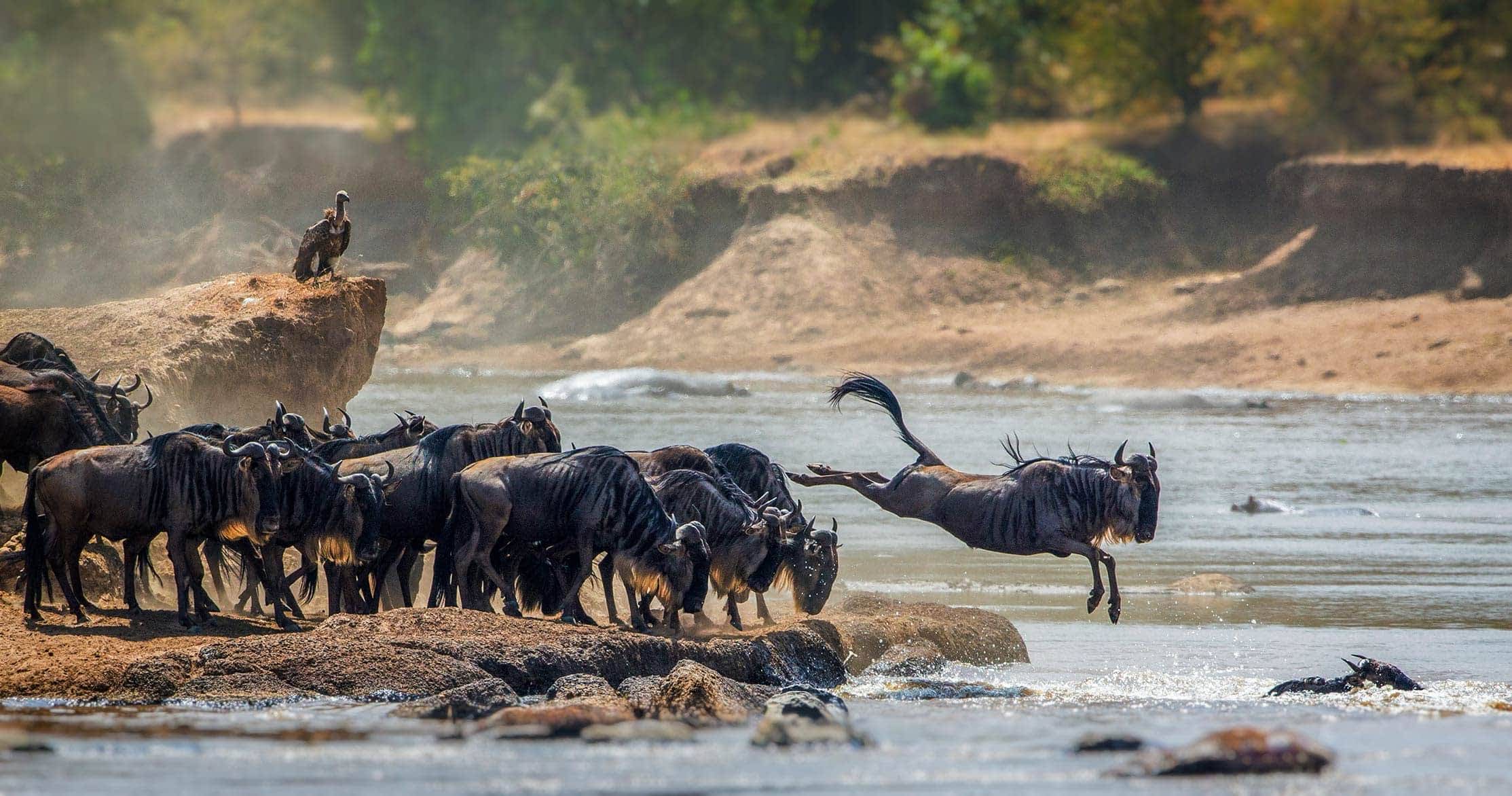
The Mara is most famous for the Great Migration, when vast herds of wildebeest and zebras cross into Kenya from neighboring Tanzania. During this period, safari vehicles follow wildlife across open grasslands while predators stalk the herds in dramatic displays of natural behavior. For travelers and researchers alike, these moments represent rare opportunities to observe predator-prey interactions within one of the planet’s most intact ecosystems.
Just south of the Kenyan border lies the vast wilderness of Serengeti National Park. Covering nearly fifteen thousand square kilometers, the Serengeti forms the core of a larger ecosystem that supports millions of grazing animals and some of Africa’s largest predator populations.
Wildlife safaris here unfold across landscapes that range from acacia woodlands to open plains and rocky kopjes where lions often rest between hunts. Long-term ecological studies supported by conservation authorities and the International Union for Conservation of Nature have made the Serengeti one of the most scientifically monitored wildlife systems in the world.
While East Africa’s savannahs dominate safari imagery, Central Africa offers a completely different wildlife experience deep within volcanic forests. High in the mountains of Rwanda, visitors trek through dense bamboo vegetation inside Volcanoes National Park to observe one of the world’s most endangered species: the mountain gorilla.
Gorilla trekking has become one of Africa’s most exclusive wildlife experiences. Small groups of visitors hike for several hours under the guidance of trained trackers before encountering family groups of gorillas in their natural habitat. Strict visitor limits ensure minimal disturbance to the animals while tourism revenue funds conservation and community development initiatives in surrounding villages.
Southern Africa contributes another dimension to safari tourism through large-scale protected areas such as Kruger National Park. One of Africa’s largest and most accessible national parks, Kruger spans nearly twenty thousand square kilometers along the borders of Mozambique and Zimbabwe.
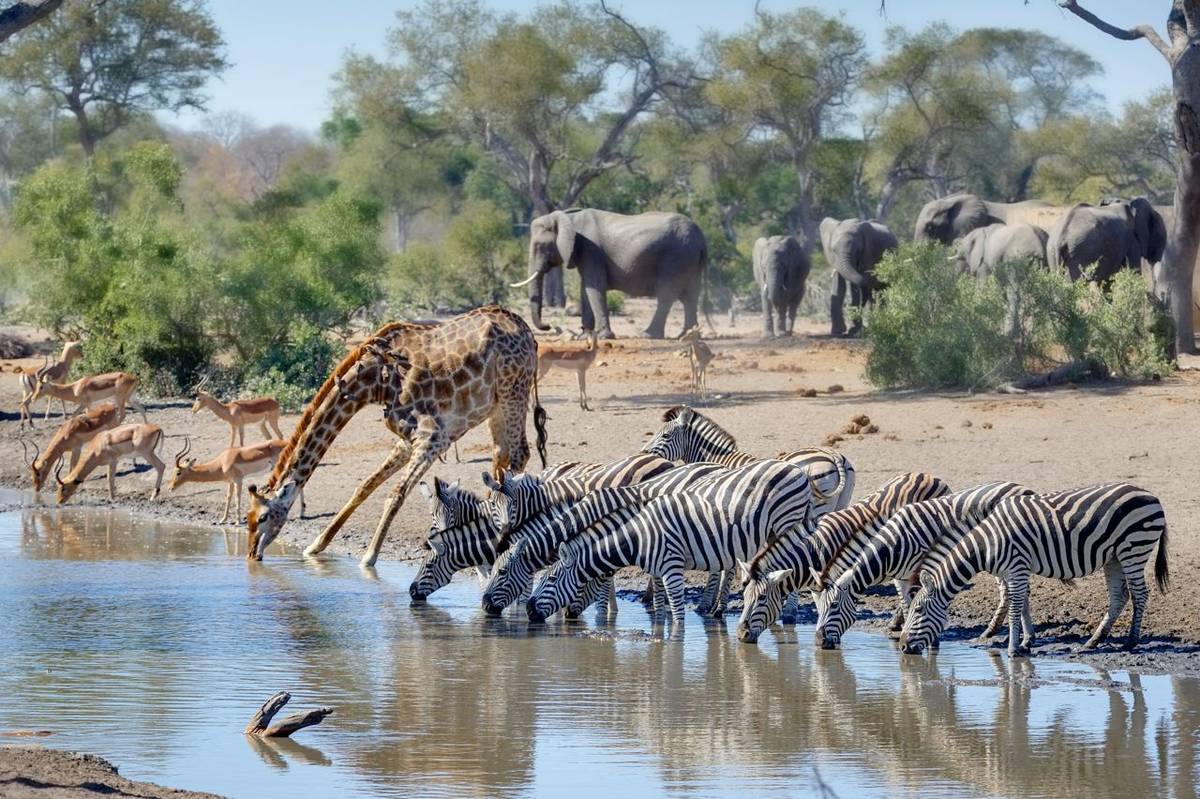
The park is internationally recognized for offering sightings of the “Big Five”: lion, elephant, buffalo, leopard and rhinoceros. Extensive road networks, research programs and conservation infrastructure allow visitors to explore diverse habitats ranging from riverine forests to open bushveld landscapes.
Farther west, safari experiences become even more distinctive in the waterways of Botswana’s Okavango Delta. Unlike traditional land-based safaris, wildlife viewing here often takes place by mokoro, a traditional dugout canoe that glides quietly through floodplains and reed-lined channels.
The delta forms one of the largest inland wetland ecosystems on Earth. Seasonal floods transform the landscape into a mosaic of lagoons and islands where elephants, hippos, antelope and bird species thrive. Its ecological significance has earned recognition as a UNESCO World Heritage Site and a flagship example of sustainable wildlife tourism.
These safari landscapes represent more than scenic travel destinations. They function as economic engines within national tourism strategies. According to assessments by the World Tourism Organization, wildlife tourism contributes billions of dollars annually to African economies while supporting conservation programs across protected areas.
Development finance institutions such as the African Development Bank increasingly view sustainable tourism as a strategic sector capable of driving rural employment, infrastructure investment, and environmental protection simultaneously.
Yet safari tourism also carries long-term responsibility. Protected ecosystems face growing pressures from climate variability, land use change, and rising tourism demand. Balancing visitor access with ecological protection has therefore become a central priority for park authorities, conservation organizations and tourism ministries.
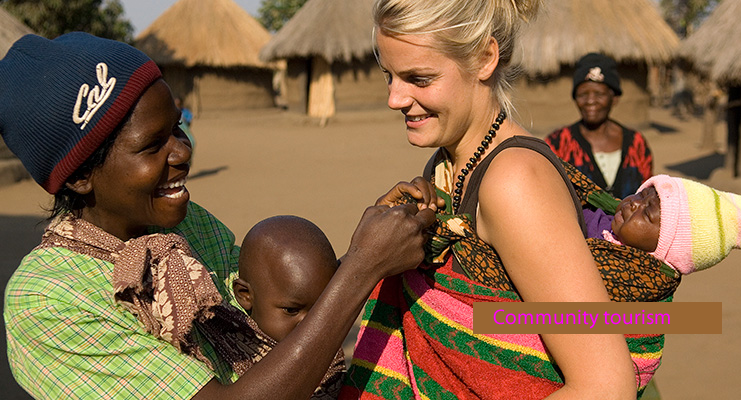
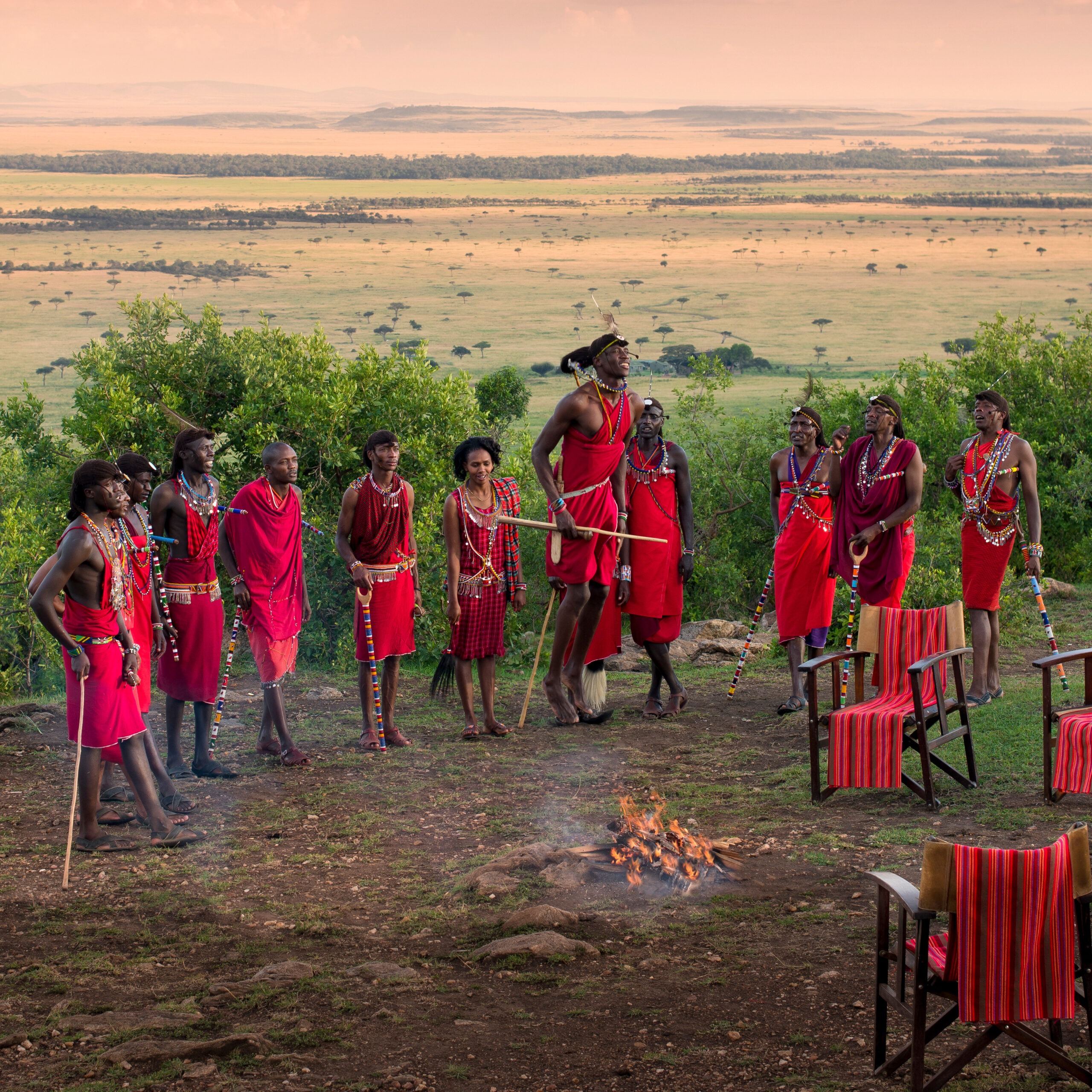
New models of community-based conservation are emerging across safari destinations, ensuring that local populations share in tourism revenues while protecting wildlife habitats. These initiatives are helping transform safari tourism from a purely observational activity into a collaborative conservation economy.
Looking ahead over the next decade, the demand for authentic nature experiences is expected to grow as global travelers increasingly seek destinations connected to biodiversity and sustainability. Africa’s protected landscapes are therefore positioned not only as tourism icons but also as critical environmental assets within the global conservation movement.
For visitors standing on a savannah at sunrise or drifting silently through the waterways of the Okavango Delta, the experience remains profoundly simple: witnessing wildlife living freely within ecosystems that still operate according to the rhythms of nature.
In that moment, the African safari becomes something greater than travel. It becomes an encounter with one of the planet’s last great wilderness systems.
FAQ Section
What is the most famous safari experience in Africa?
The Great Migration between Serengeti National Park and Maasai Mara National Reserve is widely considered the most famous wildlife safari spectacle in Africa.Where can travelers see gorillas in Africa?
Mountain gorilla trekking takes place primarily in Volcanoes National Park in Rwanda as well as protected areas in Uganda and the Democratic Republic of Congo.Which African country offers the best Big Five safari?
South Africa’s Kruger National Park is one of the most accessible locations for observing the Big Five: lion, elephant, buffalo, leopard, and rhinoceros.